
SocialWorkLicenseMap.com is owned by 2U, LLC, parent company of edX. Our goal is to help learners make confident, informed decisions about their education and career. Some programs shown here are offered by universities that partner with 2U, for which 2U provides marketing and operational support and receives compensation. Other programs shown may be paid advertisements from third parties. Both types of programs are identified with the word AD or Advertisement. We aim to keep information current and accurate. Learn more about edX and our partners.
If you’d like to learn more about what social work entails, the benefits of graduate study or the requirements to practice as a social worker in your state, our social work license map offers guidance.
Select your state
- Alabama (AL)
- Alaska (AK)
- Arizona (AZ)
- Arkansas (AR)
- California (CA)
- Colorado (CO)
- Connecticut (CT)
- Delaware (DE)
- Florida (FL)
- Georgia (GA)
- Hawaii (HI)
- Idaho (ID)
- Illinois (IL)
- Indiana (IN)
- Iowa (IA)
- Kansas (KS)
- Kentucky (KY)
- Louisiana (LA)
- Maine (ME)
- Maryland (MD)
- Massachusetts (MA)
- Michigan (MI)
- Minnesota (MN)
- Mississippi (MS)
- Missouri (MO)
- Montana (MT)
- Nebraska (NE)
- Nevada (NV)
- New Hampshire (NH)
- New Jersey (NJ)
- New Mexico (NM)
- New York (NY)
- North Carolina (NC)
- North Dakota (ND)
- Ohio (OH)
- Oklahoma (OK)
- Oregon (OR)
- Pennsylvania (PA)
- Rhode Island (RI)
- South Carolina (SC)
- South Dakota (SD)
- Tennessee (TN)
- Texas (TX)
- Utah (UT)
- Vermont (VT)
- Virginia (VA)
- Washington (WA)
- Washington, DC (DC)
- West Virginia (WV)
- Wisconsin (WI)
- Wyoming (WY)
How To Become a Licensed Social Worker in Each State
The minimum educational requirement to become a licensed social worker is a Bachelor of Social Work (BSW). An undergraduate social work degree takes four years on average to complete. After receiving the degree, most states typically require you to attain licensure to practice as a social worker.
What Are the Social Work License Requirements?
There are several types of social work licensure. For example, someone who holds a bachelor’s degree can become a licensed baccalaureate social worker (LBSW). LBSWs must work under a clinical supervisor.
Social work graduates with a Master of Social Work (MSW) are eligible to apply for a master’s-level license in their state. In states that don’t issue provisional licenses or licenses for bachelor’s degree graduates, a master’s degree in social work must be earned before a license can be issued. Licensure typically requires both field experience and exam completion.
University of Denver • Denver, CO
Master of Social Work (MSW)
Program Type
Master's
Enrollment Type
Full-Time and Part-Time
Delivery Mode
Online
Length of Program
As few as 12 months
Credits
54-81 graduate-level credits
Concentrations
Mental Health and Trauma, Health, Equity and Wellness
Admission Requirements
- Bachelor’s degree from a regionally accredited institution to be considered for admission
- Minimum undergraduate GPA is a cumulative 2.5 on a 4.0 scale or a 2.5 on a 4.0 scale for the last 60 semester credits or 90 quarter credits (approximately two years of work) for the baccalaureate degree
- Official transcripts
- Letters of recommendation
- Resume
- Career goals statement

Syracuse University • Syracuse, NY
Master of Social Work (MSW)
Program Type
Master's
Enrollment Type
Full-Time and Part-Time
Delivery Mode
Online
Length of Program
As few as 24 months
Credits
36-60
Concentrations
Advanced Integrated Practice, Advanced Clinical Practice
Admission Requirements
- Minimum 3.0 GPA is preferred
- Transcripts
- Resume
- Essays
- Prerequisite coursework
- Letters of recommendation

Simmons University • Boston, MA
Master of Social Work (MSW)
Program Type
Master's
Enrollment Type
Accelerated and Full-Time and Part-Time
Delivery Mode
Online
Length of Program
As few as 9 months
Credits
37-65
Concentrations
Mental Health Practice Optional Certificate, Trauma Practice Optional Certificate, Clinical Practice with Active Service Members, Veterans, and Families
Admission Requirements
- Resume
- Transcripts
- Recommendation forms
- Statement of professional and educational intent

Howard University • Washington, DC
Master of Social Work (MSW)
Program Type
Master's
Enrollment Type
Full-Time and Part-Time
Delivery Mode
Online
Length of Program
As few as 12 months
Credits
45+
Concentrations
Direct Practice, Community, Administration and Policy (CAP) Practice
Admission Requirements
- Three (3) letters of recommendation
- College transcripts
- A personal statement
- An application essay
- A resume
- Bachelor of Social Work from a CSWE-accredited institution, award within four years of first term start date
- Minimum cumulative GPA of 3.0 in all social work foundation and undergraduate coursework

Hawaii Pacific University • Honolulu, HI
Master of Social Work
Program Type
Master's
Enrollment Type
Full-Time and Part-Time
Delivery Mode
Online
Length of Program
12-36 months
Credits
30-57
Concentrations
Military and Veterans Affairs, Child or Adult Protective Services, Health Care, Mental Health, Individual and Families, Social Agency Administration
Admission Requirements
- Bachelor’s degree with at least 30 credits in Liberal Arts from an accredited four-year institution
- Minimum 3.0 GPA, but applicants below that will be considered for provisional admission
- Completed courses in Statistics and Research Methods
- Applicants must have completed each course with a grade of a "C" or higher
- Bachelor’s degree in social work from an accredited program within the past five years
- Minimum 3.25 GPA on a 4.0 scale in social work courses
- Online application

How Long Does It Take To Become a Licensed Social Worker?
The level of licensure you are aspiring to achieve can determine the time it takes to become a licensed social worker and the requirements of the state where you wish to practice. Learn more about social work licensure requirements by state.
To become a licensed master social worker (LMSW) or licensed clinical social worker (LCSW), you will first need to earn an MSW, then complete the appropriate supervised work or clinical experience. Most states require you to attain work experience over two years, or fulfill a number of hours over a specified time period.
What Can You Do With a Social Work Degree?
Opportunities for advanced social work careers can be limited if you do not have a master’s degree. Graduates with an MSW can pursue clinical social work, and those with a Doctor of Social Work (DSW) can pursue teaching careers. Having a bachelor’s degree in social work can qualify you for an advanced standing MSW program, which may allow you to earn your MSW in one year.
Is a Master’s Degree in Social Work Worth It?
By completing an online master’s in social work, you can expand your chances of finding employment in a variety of settings, including hospitals, schools, nursing homes, mental health clinics and with childhood intervention programs.
Online MSW programs encompass a wide range of specialized fields, including mental health and administrative practice.
Social Work Careers for Licensed Professionals
Social work encompasses a range of employment opportunities. Licensed social workers may have access to a wider array of work opportunities as certain jobs are only available to LMSW or LCSW professionals.
Learn more in our guide: What Is Social Work?
Professionals with licensure may receive higher salaries and can pursue specialized roles in mental health, substance abuse, child, family and school social work, the community and the military.
Here are some specific roles that licensed social workers can pursue.

Social Work Administrator
Social work administrators work at the macro level, meaning they do not provide direct services to clients. Their work is oriented toward developing highly functional systems, engaging with social policy and the delivery of social services.

Mental Health and Substance Abuse Social Worker
Mental health social workers work directly with clients by providing support to those living with disorders such as bipolar disorder or depression. A critical role of a mental health social worker is to provide treatment in the form of interventions, such as group therapy, psychosocial therapy or education.

Child, Family and School Social Worker
Child, family and school social workers support vulnerable children and their families. The role requires engagement with students, parents, school faculty and the community. Child, family and school social workers may address issues involving academic performance, safety and well-being at school. They also help parents and school administrators access helpful resources for students.

Community Social Worker
Community social workers address issues that affect the well-being of certain communities. They often work with organizations or groups of citizens to improve living conditions, resolve a problem or capture political attention. Their work can be far-reaching. It can include engaging with schools or addressing environmental risks to the community.

Medical and Public Health Social Worker
Medical social workers provide support to those dealing with healthcare issues. They may assist with emotional, social or financial needs that arise as a result of being affected by an illness or health condition. They provide both patients and their families with non-medical support as they deal with acute, chronic, or terminal illnesses.

Military Social Worker
Military social workers support service members and their families. They help individuals who may have psychological or emotional disorders such as PTSD, anxiety and depression. Military social workers specialize in managing these problems, and their work may include treating active-duty members, veterans, and civilian clients in the military community.
Three Reasons To Pursue a Career as a Licensed Social Worker
There can be benefits for those who choose to become a social worker. Social work is a rapidly growing field, and many professionals in it consider the work to be both meaningful and rewarding.
Those who pursue careers in social work can take a range of paths, from clinical practice to government roles to nonprofit employment. Licensed social work roles can allow you to have autonomy over your work and your lifestyle.
Here are three reasons to consider a career in social work:
1. Enter a Growing Job Market
As of May 2024, there is a growing demand for social workers in the United States. According to the U.S. Bureau of Labor Statistics (BLS), the overall employment of social workers is estimated to grow by 6% from 2024 to 2034. This is a faster growth rate than in other occupations. As demand grows, so too will the need for different specializations within the field. In addition, as more jobs open up, those with an advanced degree and licensure may have a competitive edge.
Learn more about the average salaries for different social work specializations by state.
2. Establish Autonomy in Your Work
Master’s-level licensed social workers may enjoy greater autonomy in their work. LCSWs can create their own work schedules based on clients’ needs. This type of independence can make it easier to juggle other commitments, such as family. Some licensed social workers may choose to contract their services or open their own practice.
3. Make a Difference for Individuals and Communities
Social workers are uniquely positioned to effect positive change in the community at micro, mezzo and macro levels. Those working in the field can have the power to influence and empower others in need and help solve their problems.
This line of work can be satisfying for those passionate about making an impact and working directly or indirectly to help individuals and communities in need. Social workers also advocate for specific populations and raise awareness at local, state and national levels about problems or issues in society.
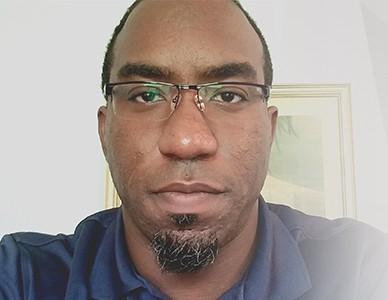
Child Welfare Social Worker, Cornell Davis III
“Be willing to fail because you’re not going to do the work perfectly... Pick a direction, go in that direction, whether it’s child welfare or hospital social work or school social work or maybe you want to follow a clinical track.”
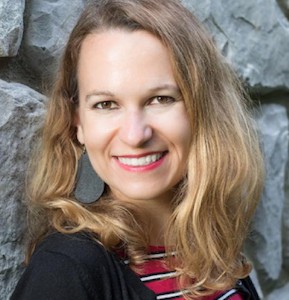
Licensed Certified Social Worker – Clinical (LCSW-C), Sarah Frazell
“Take a wide variety of classes because you never know what you might end up doing... I now am in a director role, and I never imagined that when I was in school, so I took mostly clinical courses. I wish I had done a wide breadth of things and shadowed or did different types of social work.”

Licensed Clinical Social Worker, Jessica Holton
“I would definitely say go into it with the passion and the hopes and the dreams that you have, but also be open to change... I said that I was going to work with children and families doing art and play therapy. Fast-forward to present time and, even before I graduated, I have worked primarily with adults specializing in trauma, addiction treatment, anxiety, grief and loss.”
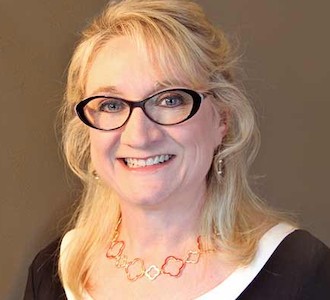
Macro Social Worker, Lisa Primm
“If you’re choosing social work, make sure you believe in the social work ethics of the profession and recognize that there is so much to be done in terms of systemic change. I would really, really advise them to be thinking along those lines.”
FAQ
A growing number of accredited schools now offer online MSW programs. These programs offer virtual learning environments with educational opportunities comparable to learning on campus. Students can pace their workloads according to their needs, collaborate with their online classmates and build their network and enjoy work-life balance. Online MSW programs are particularly well-suited to students who may already be working full-time, but wish to advance their career in social work.
Information last updated: February 2026